At first glance, catering might seem like a one-size-fits-all service, but there are key differences between corporate catering and traditional (social) catering. Understanding these distinctions can help you choose the right partner for your next event and ensure everything runs smoothly, especially in a business setting.
Traditional catering often focuses on celebrations. Think weddings, birthdays, or private parties, where food is part of a larger, often emotional, experience.
Corporate catering, on the other hand, is designed for professional environments, where efficiency, reliability, and presentation are top priorities.
In the corporate world, time is money. Meetings, trainings, and conferences run on tight schedules.
Corporate caterers are trained to deliver and set up on time, down to the minute, to keep your event on track. Traditional catering tends to allow for more flexible timelines.
Corporate catering menus are often streamlined for practicality and dietary inclusivity, with options that travel well, serve easily, and accommodate varied preferences (like vegan, gluten-free, and dairy-free).
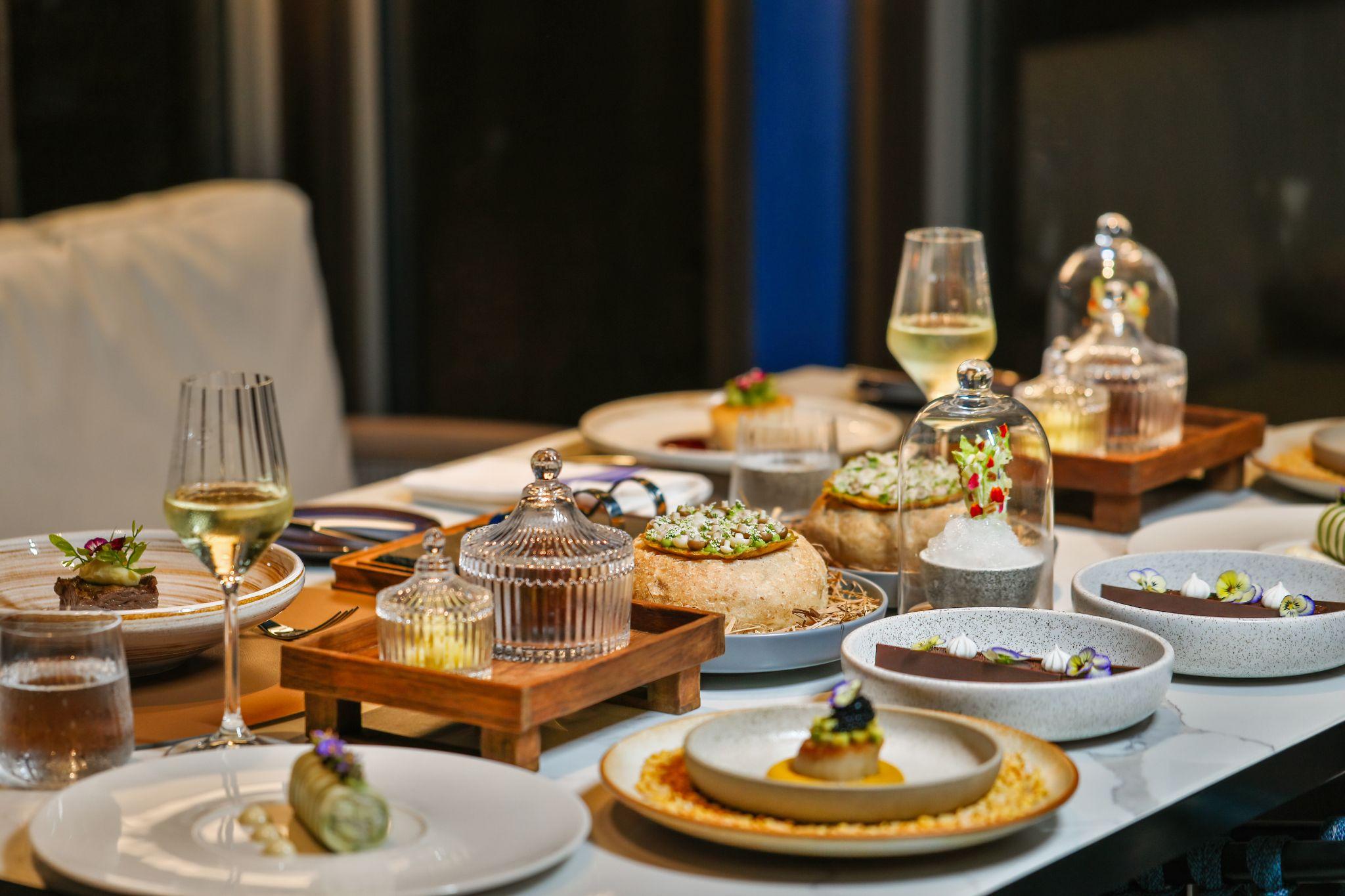
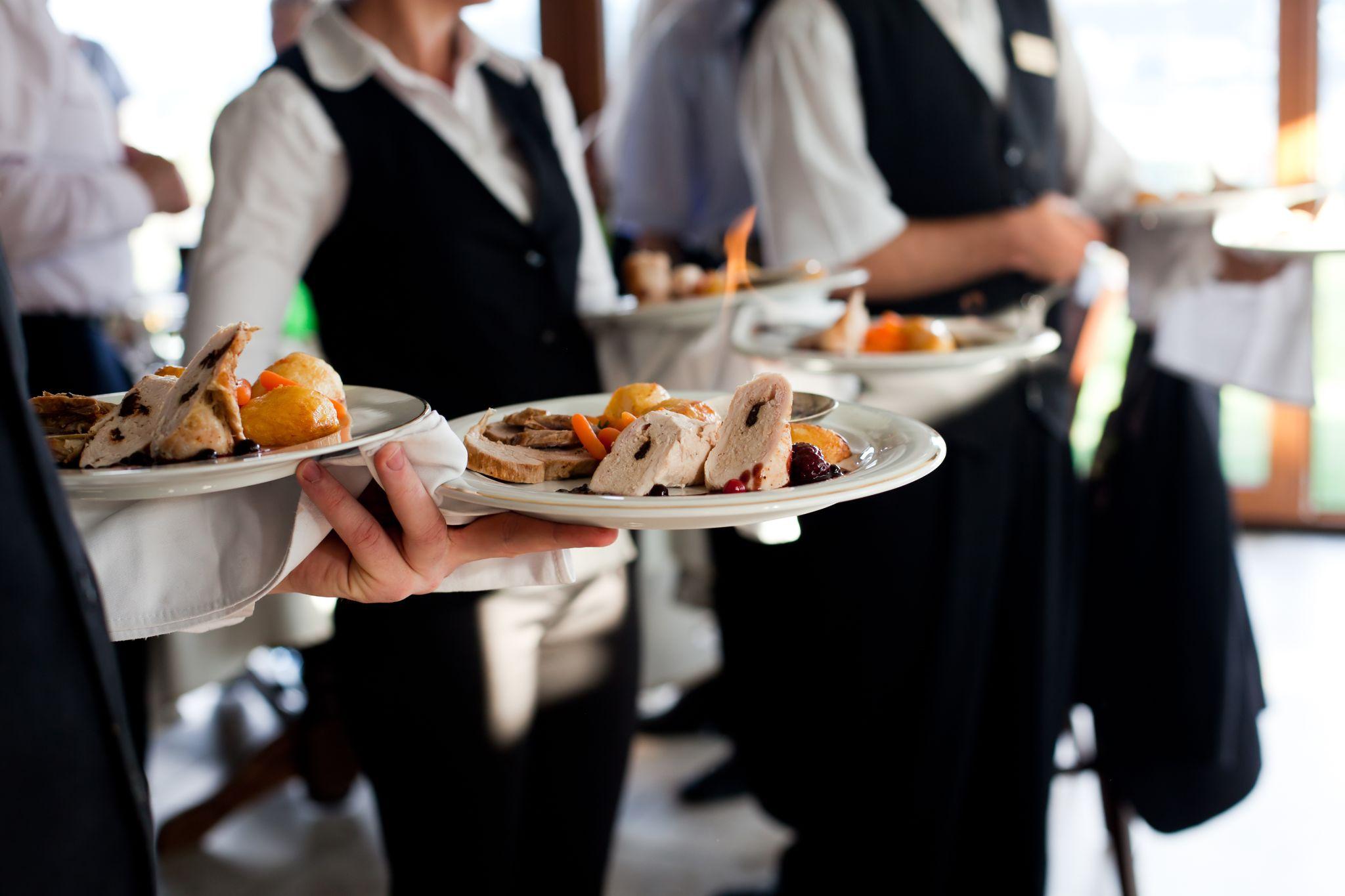
Traditional catering may prioritize elaborate presentations or indulgent multi-course meals that suit social occasions.
See all our curated options in the PDF Menu.
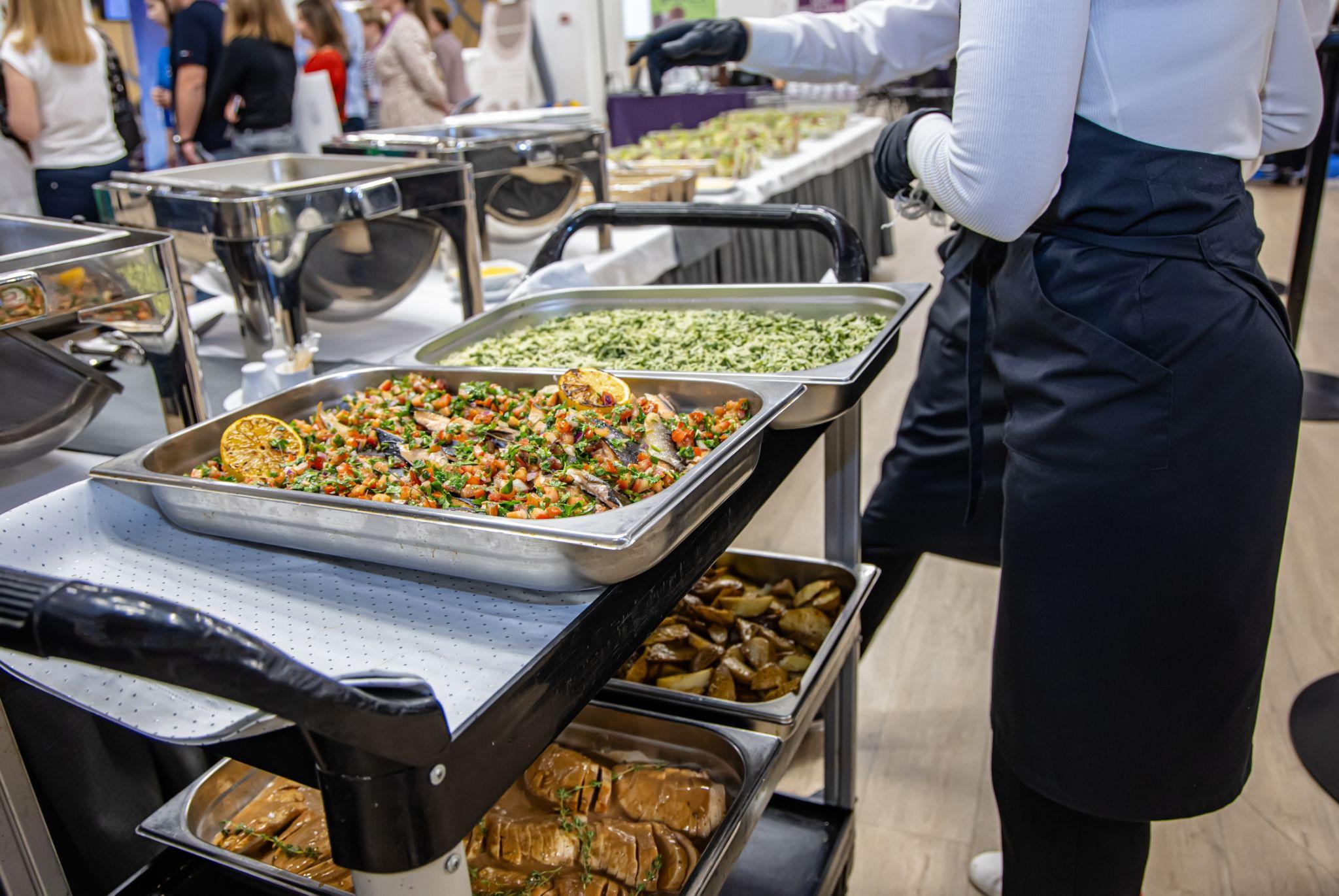
Corporate catering is typically optimized for efficiency: think buffet stations, boxed lunches, or drop-off service with minimal disruption.
Traditional events may require formal service, plated dinners, or extensive décor setup.
Unlike one-time events like weddings, corporate clients often need repeat service, like weekly meetings, monthly trainings, or large annual gatherings.
Corporate caterers are built for long-term partnerships and ongoing support.
At the end of the day, the real difference lies in the experience and expectations. Corporate catering is tailored to fit the pace and professionalism of the business world, with service that’s as dependable as it is delicious.